

Payback Period: How Long to Recover Your EV Investment in Singapore’s Heat
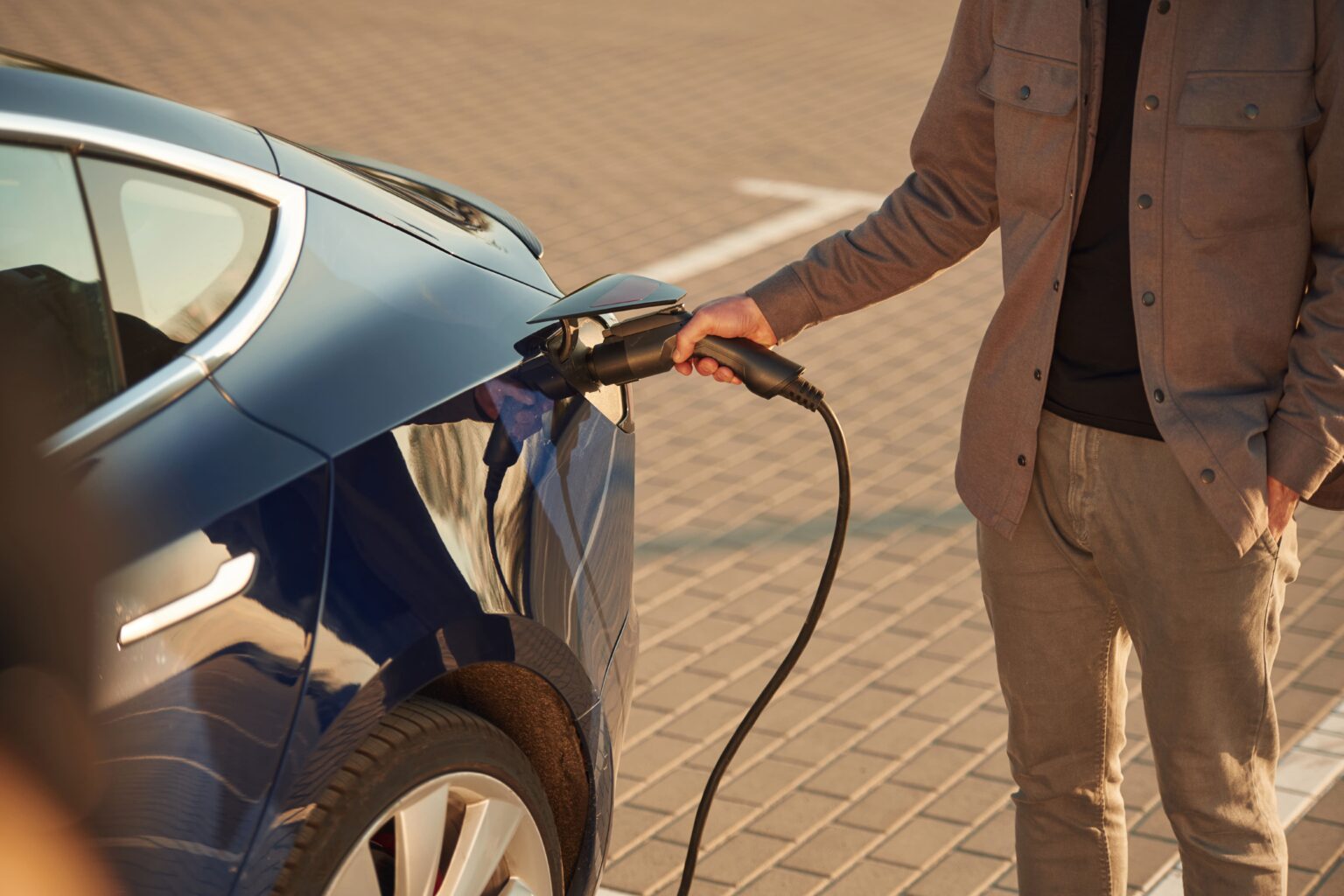
The electric vehicle revolution has arrived in Singapore, and with it comes a crucial question for potential buyers: how long will it take to recover your initial investment? As petrol prices continue to fluctuate and environmental consciousness grows, understanding the payback period for electric vehicles (EVs) in Singapore’s unique climate becomes essential for making an informed purchasing decision. This comprehensive guide examines the financial timeline for EV ownership in the Lion City, considering everything from government incentives to the impact of our tropical heat on vehicle performance.
Understanding EV Investment Payback Period in Singapore
The payback period for an electric vehicle represents the time it takes for your cumulative savings to equal the additional upfront cost compared to a conventional petrol vehicle. In Singapore’s context, this calculation becomes particularly interesting due to our unique combination of high vehicle costs, substantial government incentives, and tropical climate conditions.
Typically, EV payback periods in Singapore range from 3 to 7 years, depending on several factors including the specific model chosen, driving patterns, charging habits, and available incentives. This timeframe has been steadily decreasing as EV technology improves and costs decline, making electric vehicles an increasingly attractive proposition for Singaporean motorists.
Key Factors Affecting Your EV Payback Timeline
Several critical elements influence how quickly you’ll recover your EV investment in Singapore:
- Initial purchase price differential between EVs and comparable petrol vehicles
- Government rebates and incentives available at the time of purchase
- Annual mileage and driving patterns
- Electricity costs versus petrol expenses
- Maintenance savings over the vehicle’s lifespan
- Resale value considerations in Singapore’s competitive car market
The calculation becomes more complex when considering Singapore’s Certificate of Entitlement (COE) system and the various financing options available for EV purchases.
Singapore’s EV Incentives That Accelerate Your Payback
The Singapore government has implemented several initiatives to encourage EV adoption, significantly impacting the payback period calculation. The Land Transport Authority (LTA) oversees many of these programmes, which can substantially reduce your initial investment.
Early Adoption Incentive (EAI)
The EAI provides up to $20,000 off the Additional Registration Fee (ARF) for eligible electric vehicles. This substantial reduction immediately improves your payback timeline by lowering the upfront cost differential between EVs and conventional vehicles.
Enhanced Vehicular Emissions Scheme (VES)
Under the VES, clean vehicles receive rebates whilst more polluting vehicles face surcharges. Electric vehicles typically qualify for the maximum rebate of $20,000, further reducing the initial investment gap.
Commercial Vehicle EV Schemes
For businesses considering electric commercial vehicles, additional incentives are available, including grants for charging infrastructure and fleet conversion programmes.
These combined incentives can reduce the effective purchase price of an EV by up to $40,000, dramatically shortening the payback period and making electric vehicles financially competitive from day one in many cases.
Climate Considerations: How Singapore’s Heat Affects EV Performance
Singapore’s tropical climate presents unique challenges and opportunities for EV ownership that directly impact the payback period calculation. Understanding these climate-related factors is crucial for accurate financial planning.
Air Conditioning Impact on Range
In Singapore’s consistently warm weather, air conditioning usage is virtually constant, affecting EV range more significantly than in temperate climates. Modern EVs typically see a 10-15% reduction in range when air conditioning operates continuously, which may increase charging frequency and costs.
Battery Performance in High Temperatures
Whilst extreme cold is more detrimental to battery performance, Singapore’s heat can also affect battery efficiency and longevity. However, most modern EVs include sophisticated thermal management systems that maintain optimal battery temperatures, minimising heat-related performance degradation.
Reduced Heating Costs
Unlike colder climates where EVs must use energy for cabin heating, Singapore’s warm weather eliminates this energy drain, partially offsetting air conditioning usage and supporting better overall efficiency.
Calculating Your Real EV Savings in Singapore
To determine your specific payback period, you’ll need to analyse several cost components systematically. Here’s a practical framework for calculating your potential savings:
Annual Fuel Cost Comparison
The most significant ongoing saving comes from electricity versus petrol costs. With Singapore’s current electricity rates around $0.25 per kWh and petrol prices fluctuating between $2.80-$3.20 per litre, the cost advantage of electricity is substantial.
Example Calculation:
- Annual driving: 15,000 km
- Petrol car efficiency: 15 km/l
- Petrol consumption: 1,000 litres annually
- Annual petrol cost: $3,000 (at $3.00/litre)
- EV efficiency: 5 km/kWh
- Electricity consumption: 3,000 kWh annually
- Annual electricity cost: $750 (at $0.25/kWh)
- Annual savings: $2,250
Maintenance Cost Advantages
Electric vehicles require significantly less maintenance than conventional cars, contributing meaningfully to the payback calculation:
- No oil changes (saving $200-400 annually)
- Reduced brake wear due to regenerative braking (saving $300-500 every 2-3 years)
- Fewer moving parts requiring service or replacement
- No transmission maintenance or clutch replacements
Conservative estimates suggest annual maintenance savings of $500-800 for typical driving patterns in Singapore.
Road Tax Considerations
In Singapore, electric vehicles enjoy a $20 annual road tax discount compared to petrol vehicles, providing additional long-term savings throughout the ownership period.
Popular EV Models and Their Payback Timelines
Different EV models available in Singapore offer varying payback periods based on their pricing, efficiency, and feature sets. Here’s an analysis of popular options:
Tesla Model 3
With strong resale values and excellent efficiency, the Tesla Model 3 typically achieves payback in 4-5 years for average drivers. The comprehensive Supercharger network in Singapore adds convenience value that supports the investment case.
Hyundai Ioniq Electric
As one of the more affordable EV options, the Ioniq Electric often delivers the shortest payback period, typically 3-4 years, making it particularly attractive for cost-conscious buyers.
BMW i3
Despite higher initial costs, the i3’s exceptional efficiency in city driving conditions common in Singapore helps achieve payback in 5-6 years, particularly when factoring in premium brand resale value.
Nissan Leaf
With competitive pricing and proven reliability, the Leaf typically delivers payback in 4-5 years, enhanced by Nissan’s established service network in Singapore.
Charging Infrastructure Costs and Considerations
Your charging strategy significantly impacts the payback period calculation. Singapore offers multiple charging options, each with different cost implications:
Home Charging Solutions
Installing a home charging point requires an initial investment of $1,500-3,000 but provides the lowest per-kWh costs and maximum convenience. For homeowners, this investment typically pays for itself within 2-3 years through reduced charging costs.
Public Charging Networks
Singapore’s expanding public charging infrastructure offers convenience but at higher per-kWh rates. Regular public charging users may extend their payback period by 6-12 months compared to home charging scenarios.
Workplace Charging Benefits
Many Singapore employers now offer workplace charging as an employee benefit, effectively providing free or subsidised charging that can accelerate payback timelines significantly.
Maintenance Savings: The Hidden Benefit of EVs
Beyond fuel savings, reduced maintenance costs provide substantial long-term value that many potential buyers underestimate. Electric vehicles eliminate numerous maintenance requirements common to petrol vehicles:
Scheduled Service Reductions
Most EVs require only annual safety inspections and basic maintenance checks, compared to the 6-month service intervals typical for petrol vehicles in Singapore’s demanding climate.
Component Longevity
Electric drivetrains have fewer moving parts and operate more smoothly, resulting in longer component life and reduced replacement costs over the vehicle’s lifespan.
Climate-Related Benefits
Singapore’s consistent temperatures actually benefit EV maintenance by eliminating thermal cycling stress common in climates with significant temperature variations.
Real-World Case Studies from Singapore EV Owners
Examining actual EV ownership experiences in Singapore provides valuable insights into real-world payback periods:
Case Study 1: Urban Professional
A marketing executive purchasing a Hyundai Ioniq Electric achieved payback in 3.5 years through a combination of daily city driving, home charging, and maximum government incentives. Annual savings of $2,800 in fuel and maintenance costs drove the rapid return on investment.
Case Study 2: Family with High Mileage
A family covering 25,000 km annually with a Tesla Model Y achieved payback in 4 years despite the higher purchase price. Their extensive driving amplified fuel savings whilst the vehicle’s efficiency and charging network access supported their usage patterns.
Case Study 3: Weekend Driver
An occasional driver covering only 8,000 km annually found their BMW i3 payback period extended to 7 years, highlighting how low mileage can significantly impact the financial benefits of EV ownership.
Future Outlook: Why EV Payback Periods Are Shrinking
Several trends suggest that EV payback periods in Singapore will continue decreasing:
Technology Improvements
Battery costs continue declining whilst energy density improves, reducing the purchase price premium for EVs over conventional vehicles.
Charging Infrastructure Expansion
Singapore’s commitment to expanding charging infrastructure will reduce charging costs and increase convenience, supporting faster payback times.
Increasing Petrol Costs
Global energy trends suggest continued volatility and potential increases in petrol prices, making electric vehicles increasingly attractive financially.
Enhanced Government Support
Ongoing government initiatives to support EV adoption may include additional incentives that further improve payback calculations.
Conclusion: Making the Smart EV Investment Decision
Understanding your potential EV investment payback period in Singapore requires careful consideration of your specific driving patterns, available incentives, and charging options. Whilst typical payback periods range from 3-7 years, many Singaporean EV owners find themselves ahead financially much sooner when factoring in the total cost of ownership.
The combination of substantial government incentives, consistently high petrol prices, and Singapore’s well-developed charging infrastructure creates compelling conditions for EV adoption. As battery technology continues improving and charging infrastructure expands, payback periods will likely decrease further, making electric vehicles an increasingly attractive proposition for Singapore motorists.
Before making your decision, calculate your specific scenario using actual driving patterns and available incentives. Consider not just the financial payback but also the environmental benefits, driving experience improvements, and future-proofing aspects of EV ownership in Singapore’s evolving transportation landscape.
Ready to explore electric vehicle options that could deliver strong returns on your investment? Browse our comprehensive EV reviews and contact our expert team for personalised advice on finding the perfect electric vehicle for your Singapore driving needs.


Trade-In / Sell Your Car to Save More
Only the best trade-in value for your used car when you purchase a new car with us.

Fastest Way to Sell
Quick and easy process. Sell your car faster with us and get cash instantly.

Best Price Guaranteed
Get the best offer for your car, expect a more-than-fair valuation from us.

Transparent Service
100% no hidden fees – only transparent, fast and seamless service with us.
Electric Car Guide
Honda Reviews
BYD Atto 3 2025 #2
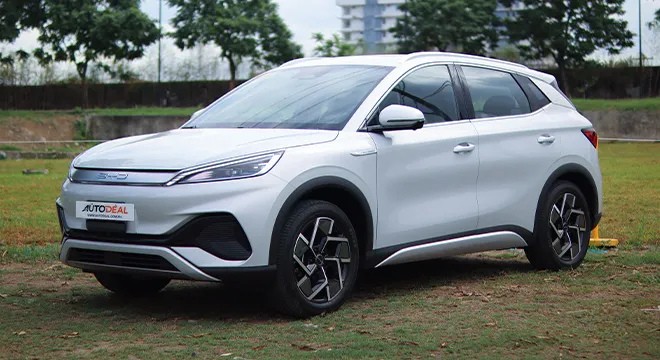
Overview The Atto 3 is BYD’s offering to the electric compact crossover segment that embodies a fusion of modern design, cutting-edge technology, and eco-friendly mobility. Its exterior exudes a sleek and aerodynamic profile, characterized by smooth curves and a streamlined silhouette. Sporting a slew of features along with its unique design, the Atto 3 is […]
BYD Atto 3 2025 #3
Overview The Atto 3 is BYD’s offering to the electric compact crossover segment that embodies a fusion of modern design, cutting-edge technology, and eco-friendly mobility. Its exterior exudes a sleek and aerodynamic profile, characterized by smooth curves and a streamlined silhouette. Sporting a slew of features along with its unique design, the Atto 3 is […]
BYD Atto 3 2025 #4
Overview The Atto 3 is BYD’s offering to the electric compact crossover segment that embodies a fusion of modern design, cutting-edge technology, and eco-friendly mobility. Its exterior exudes a sleek and aerodynamic profile, characterized by smooth curves and a streamlined silhouette. Sporting a slew of features along with its unique design, the Atto 3 is […]