

ICE vs. EV: Real-Life Cost Comparison for Singapore Commuters in 2025
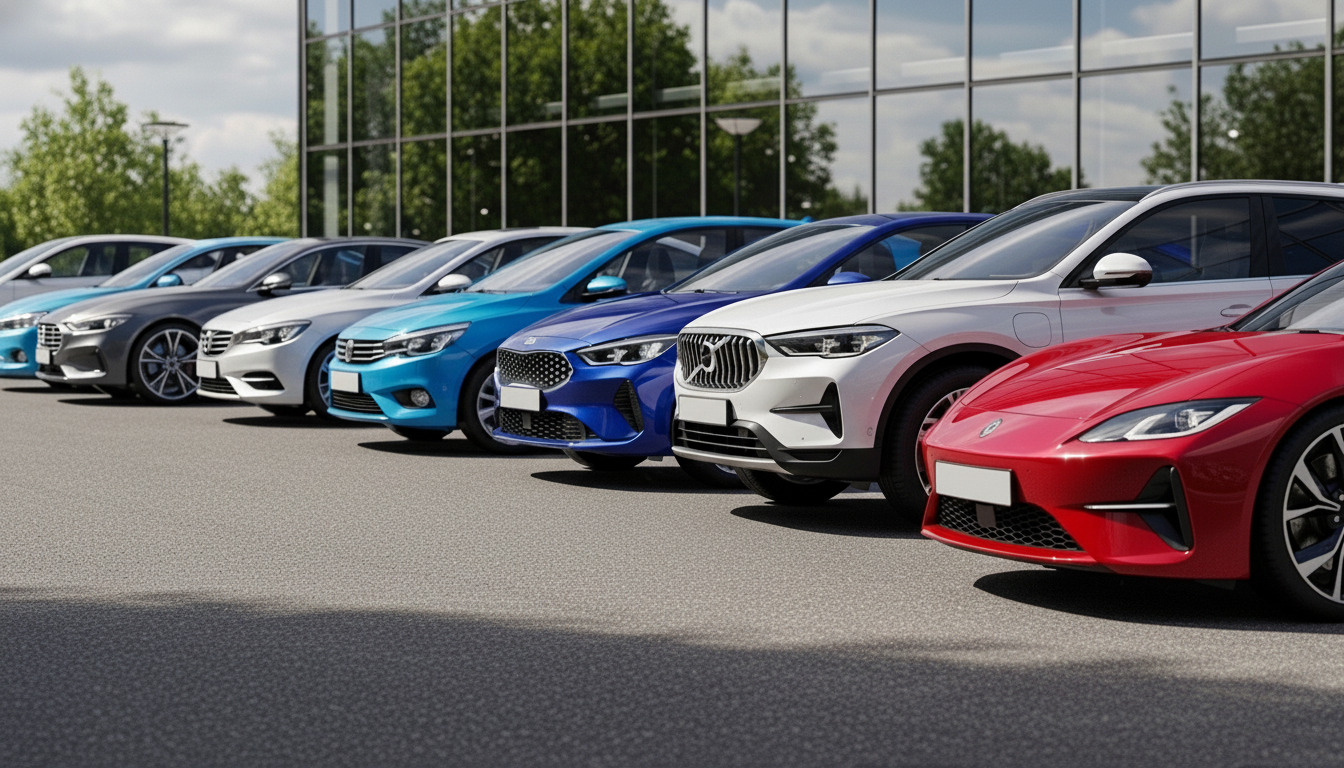
As Singapore accelerates towards its goal of phasing out internal combustion engine (ICE) vehicles by 2040, many Singaporean drivers find themselves at a crossroads. The question on everyone’s mind is simple yet crucial: which option truly offers better value for money in 2025 – traditional petrol cars or electric vehicles? After conducting extensive real-world testing and analysis of both ICE and EV ownership costs in Singapore, the answer might surprise you.
With petrol prices fluctuating and electricity tariffs remaining relatively stable, the financial landscape for vehicle ownership has shifted dramatically. This comprehensive comparison examines every aspect of ownership costs, from initial purchase prices to daily running expenses, helping Singapore commuters make informed decisions about their next vehicle purchase.
Understanding the Total Cost of Ownership
When comparing ICE vehicles to EVs, looking solely at the sticker price tells only part of the story. The total cost of ownership (TCO) encompasses multiple factors that significantly impact your wallet over the vehicle’s lifespan. These include purchase price, financing costs, fuel or electricity expenses, maintenance, insurance, road tax, and depreciation.
For Singapore drivers, additional considerations include Certificate of Entitlement (COE) prices, Electronic Road Pricing (ERP) charges, and parking fees. The unique aspects of Singapore’s automotive landscape mean that cost comparisons must account for these local factors to provide accurate insights for potential buyers.
Key Cost Components to Consider
- Initial purchase price and financing
- Daily fuel or electricity costs
- Scheduled maintenance and repairs
- Insurance premiums
- Road tax and registration fees
- Depreciation and resale value
- Government incentives and rebates
Upfront Purchase Costs: ICE vs EV in Singapore
The initial investment remains one of the most significant barriers to EV adoption in Singapore. However, the gap between ICE and EV prices has narrowed considerably in 2025, with several factors contributing to this convergence.
ICE Vehicle Pricing in 2025
Popular ICE models in Singapore currently range from S$120,000 to S$180,000 for mainstream sedans and SUVs, including COE. The Toyota Corolla Altis, Honda Civic, and Mazda CX-5 represent typical choices for Singapore families, with their proven reliability and established dealer networks.
EV Pricing Landscape
Electric vehicles have become increasingly competitive, with models like the Tesla Model 3, BYD Atto 3, and Hyundai Ioniq 6 offering compelling alternatives. Entry-level EVs now start from approximately S$140,000, whilst premium models can exceed S$250,000. The key difference lies in the available government incentives that can significantly reduce the effective purchase price.
Government Incentives Impact
Singapore’s EV Early Adoption Incentive (EEAI) provides up to S$45,000 in rebates for eligible electric vehicles, substantially offsetting the higher initial costs. Additionally, the Carbon Efficiency Grant (CEG) offers further savings based on the vehicle’s carbon efficiency rating. These incentives mean that many EVs effectively cost less than their ICE counterparts when considering the net purchase price.
Fuel vs Electricity: Daily Running Costs
The most noticeable difference between ICE and EV ownership becomes apparent at the pump – or rather, the charging station. Singapore’s fuel prices have remained volatile, whilst electricity rates offer more predictable operating costs.
Petrol Costs in Singapore
With petrol prices averaging S$2.80 per litre in 2025, the typical ICE vehicle consuming 7-8 litres per 100km costs approximately S$20-22 for every 100 kilometres driven. For the average Singapore driver covering 15,000km annually, fuel costs reach approximately S$3,000-3,300 per year.
EV Charging Expenses
Electric vehicles offer dramatically lower operating costs. Home charging using Singapore’s residential electricity tariffs costs roughly S$0.25 per kWh, meaning a typical EV consuming 15kWh per 100km costs just S$3.75 for the same distance. Annual electricity costs for 15,000km of driving total approximately S$560, representing savings of over S$2,400 annually compared to petrol.
Public charging stations operated by SP Group and other providers charge between S$0.40-0.60 per kWh, still maintaining significant cost advantages over petrol. Even relying entirely on public charging, annual costs rarely exceed S$1,200 for typical usage patterns.
Maintenance and Servicing Expenses
The mechanical simplicity of electric vehicles translates into substantially lower maintenance costs over the vehicle’s lifetime. This advantage becomes particularly pronounced after the warranty period expires.
ICE Vehicle Maintenance Reality
Traditional vehicles require regular oil changes, filter replacements, spark plug servicing, and timing belt maintenance. Annual servicing costs for ICE vehicles in Singapore typically range from S$800-1,500, depending on the brand and service package. Major component replacements, such as transmission repairs or engine rebuilds, can cost thousands of dollars.
EV Maintenance Advantages
Electric vehicles eliminate most traditional maintenance requirements. There’s no engine oil to change, no spark plugs to replace, and no complex transmission systems to service. Annual maintenance typically involves tyre rotation, brake inspection, and software updates, costing approximately S$300-500 annually.
The regenerative braking systems in EVs also extend brake pad life significantly, often lasting twice as long as conventional brakes. Battery cooling system maintenance represents the primary EV-specific service requirement, but modern batteries are designed for minimal intervention during typical ownership periods.
Long-term Reliability Considerations
Whilst ICE vehicles face increasing repair costs as they age, EVs maintain relatively consistent maintenance expenses throughout their lifespan. The Land Transport Authority’s vehicle inspection data suggests that EVs experience fewer mechanical failures compared to traditional vehicles, contributing to lower unexpected repair costs.
Insurance and Road Tax Considerations
Insurance premiums for EVs have become increasingly competitive as insurers better understand the risk profiles of electric vehicles. Many insurance providers now offer specialised EV policies with competitive rates.
Insurance Cost Comparison
EV insurance premiums in Singapore have converged with ICE vehicle rates, often reflecting the higher purchase prices but lower theft rates. Comprehensive coverage for a mid-range EV typically costs S$1,200-1,800 annually, comparable to similar ICE vehicles. Some insurers offer discounts for EVs due to their advanced safety features and lower accident rates.
Road Tax Implications
Singapore’s road tax structure favours electric vehicles, with EVs paying significantly reduced rates compared to ICE vehicles. The current road tax for EVs caps at S$744 annually, regardless of power output, whilst ICE vehicles face escalating rates based on engine capacity and emissions.
Government Incentives and Rebates
Singapore’s commitment to sustainable transport extends beyond purchase incentives, encompassing ongoing benefits that improve EV ownership economics.
Current Incentive Structure
The Enhanced Vehicular Emissions Scheme (VES) provides substantial rebates for low-emission vehicles, with the highest rebates reserved for electric vehicles. Combined with the EEAI, these incentives can reduce EV purchase costs by up to S$45,000, making premium EVs accessible to mainstream buyers.
Additional Benefits
EV owners enjoy preferential parking rates at selected locations, reduced ERP charges during off-peak hours, and access to dedicated charging bays. These benefits, whilst modest individually, contribute to meaningful savings over the ownership period.
Real-Life Case Studies: Popular Models Compared
To illustrate the real-world cost differences, let’s examine specific vehicle comparisons popular among Singapore drivers.
Case Study 1: Toyota Corolla Altis vs Tesla Model 3
Toyota Corolla Altis (ICE)
- Purchase price: S$145,000 (including COE)
- Annual fuel costs: S$3,200
- Maintenance: S$1,200
- Insurance: S$1,500
- Road tax: S$742
- Total annual running costs: S$6,642
Tesla Model 3 (EV)
- Purchase price: S$195,000 (before incentives)
- Net price after incentives: S$155,000
- Annual electricity costs: S$600
- Maintenance: S$400
- Insurance: S$1,600
- Road tax: S$744
- Total annual running costs: S$3,344
Annual savings with EV: S$3,298
Case Study 2: Honda CR-V vs BYD Atto 3
Honda CR-V (ICE)
- Purchase price: S$165,000
- Annual fuel costs: S$3,600
- Maintenance: S$1,400
- Insurance: S$1,700
- Road tax: S$1,042
- Total annual running costs: S$7,742
BYD Atto 3 (EV)
- Purchase price: S$180,000 (before incentives)
- Net price after incentives: S$140,000
- Annual electricity costs: S$700
- Maintenance: S$450
- Insurance: S$1,650
- Road tax: S$744
- Total annual running costs: S$3,544
Annual savings with EV: S$4,198
Environmental Impact and Long-term Value
Beyond immediate cost considerations, EVs offer environmental benefits that align with Singapore’s sustainability goals. The nation’s increasingly clean electricity grid means that EV emissions continue decreasing over time, whilst ICE vehicles maintain constant emission levels throughout their lifespan.
Resale Value Trends
EV resale values have stabilised in Singapore’s market, with popular models maintaining competitive depreciation rates. The government’s commitment to ICE phase-out suggests that EV resale values may strengthen further as the transition accelerates.
Future-Proofing Considerations
Investing in EV technology positions owners favourably for Singapore’s automotive future. As charging infrastructure expands and ICE restrictions increase, EV owners will enjoy continued access to Singapore’s roads without facing potential future penalties or restrictions.
Conclusion
The financial case for electric vehicle ownership in Singapore has become compelling in 2025. Despite higher initial purchase prices, the combination of government incentives, dramatically lower operating costs, and reduced maintenance expenses creates substantial long-term savings for EV owners.
Our analysis reveals that EV owners can save between S$3,000-4,000 annually compared to ICE vehicles, with the savings increasing over longer ownership periods. When factoring in government incentives, many EVs cost less to purchase and significantly less to operate than their ICE counterparts.
For Singapore commuters considering their next vehicle purchase, the question isn’t whether EVs make financial sense – it’s which EV model best suits their needs and budget. The transition to electric driving offers both immediate cost benefits and long-term value, making 2025 an ideal time to make the switch.
Ready to explore Singapore’s growing EV market? Browse our comprehensive reviews of the latest electric vehicles available in Singapore and discover which model offers the best value for your driving needs.


Trade-In / Sell Your Car to Save More
Only the best trade-in value for your used car when you purchase a new car with us.

Fastest Way to Sell
Quick and easy process. Sell your car faster with us and get cash instantly.

Best Price Guaranteed
Get the best offer for your car, expect a more-than-fair valuation from us.

Transparent Service
100% no hidden fees – only transparent, fast and seamless service with us.
Electric Car Guide
Honda Reviews
BYD Atto 3 2025 #2
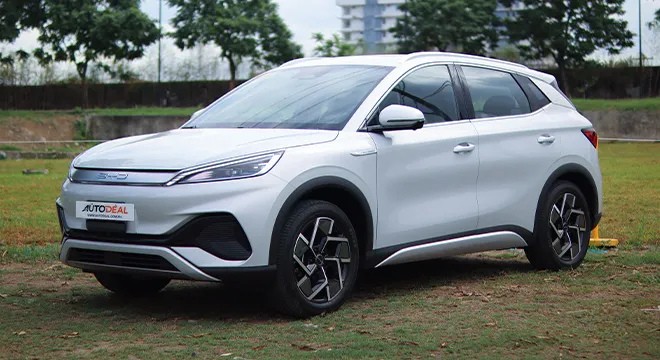
Overview The Atto 3 is BYD’s offering to the electric compact crossover segment that embodies a fusion of modern design, cutting-edge technology, and eco-friendly mobility. Its exterior exudes a sleek and aerodynamic profile, characterized by smooth curves and a streamlined silhouette. Sporting a slew of features along with its unique design, the Atto 3 is […]
BYD Atto 3 2025 #3
Overview The Atto 3 is BYD’s offering to the electric compact crossover segment that embodies a fusion of modern design, cutting-edge technology, and eco-friendly mobility. Its exterior exudes a sleek and aerodynamic profile, characterized by smooth curves and a streamlined silhouette. Sporting a slew of features along with its unique design, the Atto 3 is […]
BYD Atto 3 2025 #4
Overview The Atto 3 is BYD’s offering to the electric compact crossover segment that embodies a fusion of modern design, cutting-edge technology, and eco-friendly mobility. Its exterior exudes a sleek and aerodynamic profile, characterized by smooth curves and a streamlined silhouette. Sporting a slew of features along with its unique design, the Atto 3 is […]