

EV Ownership 101: What Every Singapore Driver Needs to Know Before Making the Switch

As Singapore accelerates towards its vision of becoming a carbon-neutral nation by 2050, electric vehicles (EVs) have emerged as a cornerstone of this ambitious goal. For Singaporean drivers contemplating the transition from traditional petrol vehicles to electric alternatives, the decision involves numerous considerations beyond simply choosing a car model. From understanding government incentives to navigating charging infrastructure, EV ownership in Singapore presents unique opportunities and challenges that every prospective buyer should comprehend.
Having personally tested numerous electric vehicles across Singapore’s diverse driving conditions, I can attest that the EV landscape has evolved dramatically over the past few years. What was once a niche market reserved for early adopters has transformed into a mainstream automotive segment offering compelling alternatives for every type of driver. This comprehensive guide will equip you with the essential knowledge needed to make an informed decision about joining Singapore’s growing community of EV owners.
Understanding Singapore’s Electric Vehicle Landscape
Singapore’s commitment to electric mobility extends far beyond environmental rhetoric. The government has implemented substantial policy changes and infrastructure investments that make EV ownership increasingly attractive and practical for everyday drivers.
Popular EV Models Available in Singapore
The Singaporean EV market offers an impressive array of options catering to diverse preferences and budgets. Premium manufacturers like Tesla, BMW, and Mercedes-Benz have established strong presences, whilst more affordable options from Hyundai, Kia, BYD, and MG provide accessible entry points into electric motoring.
Currently, some of the most popular models include:
- MG5 EV: Leading the affordable electric estate segment with impressive practicality, generous boot space, and competitive pricing that makes EV ownership accessible to families seeking both value and functionality
- Tesla Model 3 and Model Y: Leading the charge with superior range, advanced autopilot features, and extensive Supercharger network access
- BMW iX3 and i4: Combining German engineering excellence with practical electric performance
- Hyundai Ioniq 5: Offering exceptional value with ultra-fast charging capabilities and generous interior space
- BYD Atto 3: Providing budget-conscious buyers with reliable electric transportation
- Mercedes-Benz EQC: Delivering luxury electric motoring with premium comfort features
Each model presents distinct advantages, from the MG5 EV’s exceptional value proposition and practical estate design to the Tesla’s cutting-edge technology integration and the Hyundai’s impressive charging speeds reaching 350kW on compatible chargers.
Government Support and Incentives
Singapore’s government has implemented comprehensive measures to encourage EV adoption through the Electric Vehicle Early Adoption Incentive (EEAI) scheme. This initiative provides substantial rebates that can significantly reduce the initial purchase cost of qualifying electric vehicles.
Under the current scheme, buyers can receive rebates of up to $25,000 for Category A EVs and up to $30,000 for Category B EVs, depending on the vehicle’s Open Market Value (OMV). Additionally, EVs benefit from reduced Additional Registration Fee (ARF) rates, making them financially competitive with traditional vehicles when considering the total cost of ownership.
EV Charging Infrastructure in Singapore
One of the most significant concerns for potential EV owners revolves around charging accessibility and convenience. Singapore has made remarkable progress in developing a comprehensive charging ecosystem that supports both public and private charging needs.
Public Charging Networks
Singapore’s public charging infrastructure has expanded rapidly, with over 60,000 charging points planned by 2030. The network comprises several key operators providing different charging solutions:
SP Group: Operating the largest network of public chargers across Singapore, including numerous rapid charging stations capable of delivering up to 350kW of power. Their locations span shopping centres, HDB car parks, and commercial districts.
Shell Recharge: Providing convenient charging solutions at Shell petrol stations and standalone locations, offering both AC and DC fast charging options.
Charge+: Installing chargers in strategic locations including residential areas and commercial complexes, focusing on accessibility and user-friendly payment systems.
The charging point locator on the OneMotoring website provides real-time information about charging station availability and specifications, making trip planning considerably easier for EV owners.
Home Charging Solutions
For most EV owners, home charging represents the most convenient and cost-effective charging method. Installing a dedicated home charger typically costs between $800 to $2,500, depending on the charging speed and installation complexity.
Home charging options include:
- 7kW AC chargers: Suitable for overnight charging, typically adding 40-50km of range per hour
- 11kW AC chargers: Faster charging for larger batteries, providing 60-70km of range per hour
- 22kW AC chargers: The fastest home charging option, though few current EVs support this charging rate
Many condominium developments are proactively installing EV charging infrastructure, whilst HDB has announced plans to equip all new public housing car parks with EV charging capabilities.
Financial Considerations for EV Ownership
Understanding the financial implications of EV ownership extends beyond the initial purchase price to encompass ongoing operational costs, potential savings, and long-term value retention.
Initial Purchase Costs and Financing
Electric vehicles typically command higher upfront costs compared to equivalent petrol models, though government incentives help bridge this gap. When evaluating purchase decisions, consider the total cost of ownership over your intended ownership period rather than focusing solely on the initial price.
Financing options for EVs mirror traditional automotive financing, with several banks offering preferential rates for electric vehicle purchases. Some dealers provide attractive lease arrangements that can make premium EVs accessible to buyers who might otherwise find them financially challenging.
Running Costs and Savings
The operational cost advantages of EVs become apparent through reduced fuel expenses and lower maintenance requirements. Electricity costs for charging typically represent 60-70% savings compared to equivalent petrol expenses, depending on driving patterns and charging habits.
Additional savings emerge from:
- Reduced servicing costs: EVs require less frequent maintenance due to fewer moving parts
- No engine oil changes: Eliminating regular oil change expenses and associated service visits
- Regenerative braking: Extending brake pad life through energy recovery systems
- Road tax benefits: Lower road tax rates for electric vehicles
Many EV owners report monthly running cost reductions of $200-400 compared to their previous petrol vehicles, making the higher initial investment increasingly attractive over time.
Practical Aspects of EV Ownership
Transitioning to electric vehicle ownership involves several practical considerations that differ from traditional automotive ownership experiences.
Registration and Insurance
EV registration follows standard procedures through the Land Transport Authority (LTA), though several documentation requirements differ slightly. Ensure your chosen model appears on the approved EV list and meets Singapore’s safety and emissions standards.
Insurance for electric vehicles generally costs marginally more than equivalent petrol vehicles due to higher repair costs and specialised technician requirements. However, some insurers offer discounts for environmentally friendly vehicles, helping offset these increases.
Maintenance Requirements
Electric vehicle maintenance differs significantly from traditional automotive servicing, primarily due to the simpler drivetrain design and fewer consumable components.
Regular maintenance typically includes:
- Battery health monitoring: Annual assessments to ensure optimal performance and identify potential issues early
- Brake system checks: Though regenerative braking reduces wear, periodic inspections remain necessary
- Tyre rotation and replacement: EVs’ instant torque can accelerate tyre wear, making regular rotation essential
- Software updates: Many EVs receive over-the-air updates that enhance performance and add new features
Most manufacturers provide comprehensive warranty coverage for EV-specific components, particularly batteries, which typically carry 8-10 year warranties.
Environmental and Lifestyle Benefits
Beyond financial considerations, EV ownership delivers tangible environmental and lifestyle improvements that enhance the overall ownership experience.
Reducing Your Carbon Footprint
Singapore’s electricity grid increasingly incorporates renewable energy sources, making EVs progressively cleaner as the grid decarbonises. Current estimates suggest EVs produce approximately 50-60% fewer lifecycle emissions compared to equivalent petrol vehicles, with this percentage improving as renewable energy adoption increases.
Enhanced Driving Experience
Electric vehicles offer several driving advantages that many owners find compelling:
- Instant torque delivery: Immediate acceleration response enhances driving pleasure and overtaking confidence
- Silent operation: Reduced noise pollution creates a more serene driving environment
- Advanced technology integration: Many EVs feature cutting-edge infotainment and driver assistance systems
- Home charging convenience: Eliminating petrol station visits saves time and provides charging flexibility
Common Concerns and How to Address Them
Despite growing EV adoption, several concerns continue to influence the decisions of potential buyers. Understanding these concerns and their practical solutions helps make informed ownership decisions.
Range Anxiety Solutions
Modern EVs offer ranges that comfortably exceed most drivers’ daily requirements. Popular models offer a range of 400-600km on a single charge, which is sufficient for multiple days of typical Singapore driving.
Strategies for managing range concerns include:
- Trip planning apps: Utilising charging station locators to identify convenient charging stops
- Charging routine development: Establishing regular charging habits that maintain adequate battery levels
- Understanding real-world range: Learning how driving style, weather, and accessory usage affect actual range
Battery Life and Replacement
EV batteries typically retain 80-90% of their original capacity after eight years of normal use. Most manufacturers provide substantial warranty coverage, and battery replacement costs continue declining as technology advances.
Modern battery management systems optimise charging and discharging patterns to maximise battery longevity, whilst many manufacturers offer battery health monitoring services to track degradation over time.
Making the Transition: A Step-by-Step Guide
Successfully transitioning to EV ownership requires careful planning and preparation. Follow this structured approach to ensure a smooth switch:
- Assess your driving patterns: Calculate daily and weekly mileage requirements to determine suitable range specifications
- Evaluate charging options: Identify home charging possibilities and nearby public charging locations
- Research available models: Compare features, pricing, and availability across different manufacturers
- Calculate total ownership costs: Factor in purchase price, incentives, running costs, and potential savings
- Arrange test drives: Experience different EVs to understand their unique characteristics and suitability
- Secure financing: Explore various financing options and select the most advantageous arrangement
- Plan charging infrastructure: Install home charging equipment and familiarise yourself with public charging networks
- Complete the purchase: Finalise documentation, insurance arrangements, and delivery scheduling
Conclusion
Electric vehicle ownership in Singapore has evolved from an experimental venture to a practical, economically viable transportation solution. With robust government support, expanding charging infrastructure, and an increasingly diverse selection of available models, the barriers to EV adoption continue diminishing.
The transition to electric motoring requires careful consideration of personal driving requirements, financial circumstances, and lifestyle preferences. However, for many Singaporean drivers, the combination of environmental benefits, operational cost savings, and enhanced driving experience makes EVs a compelling choice.
As Singapore progresses towards its sustainability goals, early EV adopters will benefit from continued infrastructure improvements and potentially increased incentives. The question for many drivers is not whether to switch to electric, but rather when and which model best suits their needs.
Ready to explore electric vehicle options? Browse our comprehensive EV reviews and comparisons to find the perfect electric vehicle for your Singapore driving needs, or contact our expert team for personalised recommendations based on your specific requirements.

Trade-In / Sell Your Car to Save More
Only the best trade-in value for your used car when you purchase a new car with us.

Fastest Way to Sell
Quick and easy process. Sell your car faster with us and get cash instantly.

Best Price Guaranteed
Get the best offer for your car, expect a more-than-fair valuation from us.

Transparent Service
100% no hidden fees – only transparent, fast and seamless service with us.
Electric Car Guide
Honda Reviews
BYD Atto 3 2025 #2
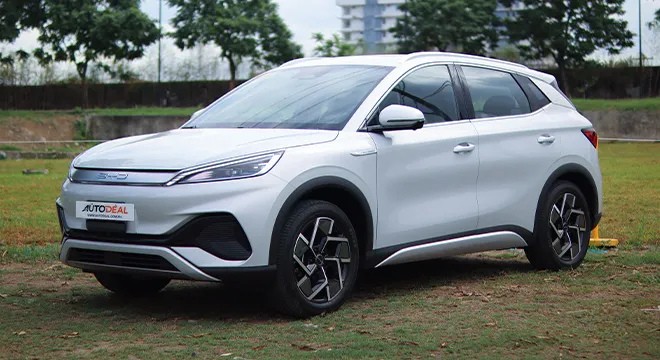
Overview The Atto 3 is BYD’s offering to the electric compact crossover segment that embodies a fusion of modern design, cutting-edge technology, and eco-friendly mobility. Its exterior exudes a sleek and aerodynamic profile, characterized by smooth curves and a streamlined silhouette. Sporting a slew of features along with its unique design, the Atto 3 is […]
BYD Atto 3 2025 #3
Overview The Atto 3 is BYD’s offering to the electric compact crossover segment that embodies a fusion of modern design, cutting-edge technology, and eco-friendly mobility. Its exterior exudes a sleek and aerodynamic profile, characterized by smooth curves and a streamlined silhouette. Sporting a slew of features along with its unique design, the Atto 3 is […]
BYD Atto 3 2025 #4
Overview The Atto 3 is BYD’s offering to the electric compact crossover segment that embodies a fusion of modern design, cutting-edge technology, and eco-friendly mobility. Its exterior exudes a sleek and aerodynamic profile, characterized by smooth curves and a streamlined silhouette. Sporting a slew of features along with its unique design, the Atto 3 is […]