

Switching to EVs in Singapore 2025: A Step-by-Step Guide for Petrol Car Owners
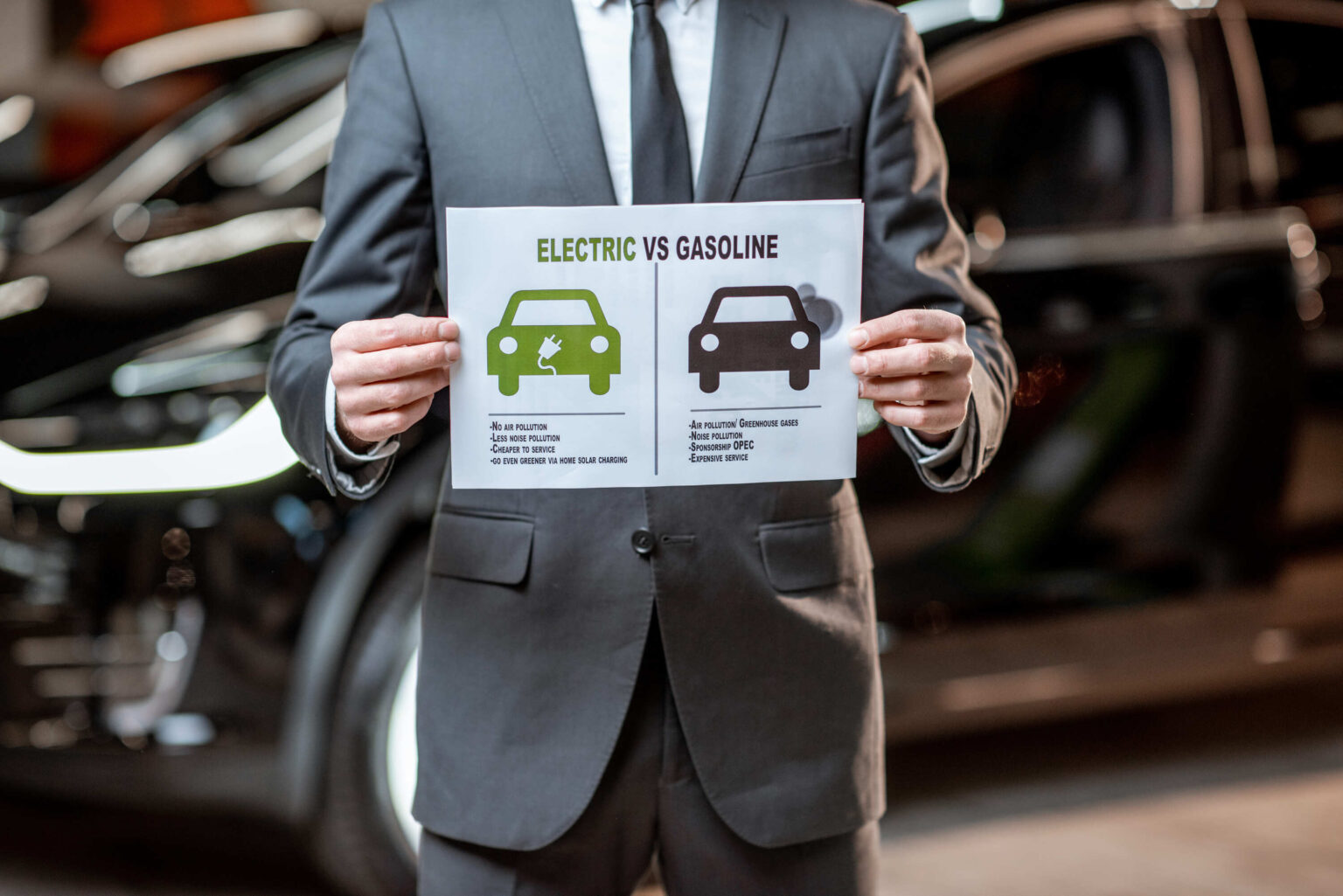
Switching to EVs in Singapore isn’t just a trend—it’s a practical, forward-looking decision that can lower running costs, cut emissions, and deliver a more refined daily drive. As a reviewer who spends an inordinate amount of time crawling the PIE at rush hour and blasting across the CTE when the roads open up, I’ve lived with dozens of electric cars here. In this guide I’ll walk you through switching to EVs in Singapore in 2025, focusing on what matters to us: COE realities, local incentives, charging where we live and work, and how different models perform on our roads.
Primary keyword up front—switching to EVs in Singapore—means we’ll centre our advice squarely on the city-state’s unique motoring landscape. Expect practical tips, a step-by-step checklist, and hard-won insights from real-world testing in multi‑storey car parks, HDB estates, and the occasional midnight dash to Changi Village.
What’s driving EV adoption in Singapore now?
Singapore’s push towards cleaner mobility has matured. The charging network is expanding, more brands have launched compelling EVs in Category A and B, and drivers are discovering how smooth, quiet torque and one‑pedal driving fit our urban rhythm. Factor in government incentives that reduce upfront costs and you’ve a strong business case, even before you account for lower servicing needs and the cost stability of electricity compared to petrol price swings.
The Singaporean context: EV ownership in a dense city
- Short daily distances suit EVs. Most commutes here are well under 60 km a day, which barely dents a typical 300–500 km WLTP battery.
- Frequent stop‑start traffic favours regenerative braking, recouping energy and extending range.
- Multi‑storey car parks, basement parking, and tight ramps are EV-friendly thanks to instant torque at low speed and fine throttle modulation.
Incentives, rules, and what to check before you buy
Singapore maintains a suite of policies that influence EV costs and ownership. While details evolve, the broad pillars are consistent:
- Vehicular Emissions Scheme (VES): Rewards cleaner cars with rebates at registration while penalising higher‑emission models.
- Additional Registration Fee (ARF) and EV‑specific offsets: EVs may qualify for rebates that lower the ARF burden.
- Road tax framework for EVs: Based on power rating/band; confirm the rate for your selected model.
- COE category: Many compact EVs slot into Cat A if they meet power thresholds; larger or higher‑output EVs fall into Cat B or even Open Category dynamics via market pressure.
For current, official details, always cross‑check with the Land Transport Authority’s resources. Start with LTA’s overview of electric vehicles for the latest on incentives, technical standards, and regulations. You can also browse OneMotoring for consumer‑facing guidance on buying and registering EVs.
Charging in Singapore: the real‑world picture
If I could offer one piece of advice, it’s this: match your charging plan to your lifestyle before you fall in love with a spec sheet. Range is reassuring, but reliable access to the right charger at the right time is what makes EV ownership effortless.
Home charging scenarios
- Landed homes: Easiest case. A dedicated AC wallbox (typically 7.4 kW single‑phase, sometimes 11 kW three‑phase where available) turns overnight charging into a non‑event. A typical 60 kWh battery goes from 20% to 80% while you sleep.
- Condominiums: Many MCSTs have installed shared chargers. Clarify access rules, parking privileges while charging, and per‑kWh or per‑minute tariffs. If your condo plans upgrades, encourage future‑proofing with conduit capacity and load management.
- HDB estates: Public chargers are increasingly available in HDB car parks. The key is proximity to your usual block and whether you can top up during off‑peak hours without detouring.
Public charging: AC vs DC
- AC chargers (Type 2): Best for routine top‑ups when you’re parked for a while—shopping, dining, gym, or overnight. Power is usually 7–22 kW.
- DC fast chargers (CCS2): Great for quick daytime boosts or pre‑journey top‑ups. Common outputs range from 50 kW to 180+ kW. You’ll pay more per kWh than AC, but the time saved can be worth it.
Connector standards in Singapore
- AC: Type 2 (Mennekes)
- DC: CCS2
Most new EVs support both. If you’re considering an older import, double‑check compatibility and any adapter needs.
How much range do you really need?
For a typical Singaporean driver, an EV with 350–450 km WLTP range feels like overkill for weekday duties and absolutely fine for weekend jaunts. If you plan frequent cross‑border trips to Johor or up the North–South Highway, prioritise highway efficiency, battery pre‑conditioning for fast charging, and robust DC charging support from your chosen brand’s thermal management. Also download the relevant Malaysian charging apps ahead of time and confirm roaming where offered.
Choosing the right EV for Singapore roads
I’ve grouped the current EV landscape into buyer‑friendly buckets. Match them to your needs and driving patterns.
Compact city EVs (Cat A‑friendly in many cases)
- Ideal for: HDB/condo residents, city‑centric commutes, small families.
- Driving feel: Light steering, tight turning circles—excellent in multi‑storey car parks and CBD parking.
- What to look for: Efficient heat pump, solid driver‑assist basics, intelligent route planning with charger stops, 3‑phase onboard AC charger if your building offers it.
Family crossovers and SUVs
- Ideal for: School runs, boot space for prams and grocery hauls, occasional Malaysia trips.
- Driving feel: Composed ride, higher seating position for visibility in heavy traffic.
- What to look for: 400–500 km WLTP range, rear‑seat comfort, efficient cooling (Singapore heat is relentless), bidirectional charging if you’re tech‑curious.
Executive saloons and performance EVs
- Ideal for: Long business days, premium cabins, hushed expressway cruising.
- Driving feel: Effortless acceleration, stable at speed, often superior ADAS calibration.
- What to look for: Highway efficiency, refined suspension tuning over expansion joints, strong software support and over‑the‑air updates.
MPVs and 7‑seaters
- Ideal for: Larger families and multigenerational trips.
- Driving feel: Prioritise comfort, easy access, cabin tech for rear passengers.
- What to look for: Flat‑floor packaging for legroom, efficient climate zones, DC charging curve that holds higher rates longer.
Spec sheet shortcuts that actually matter
- Efficiency first: Look at kWh/100 km rather than only battery size. A slippery, efficient EV with a 60 kWh pack can go as far as a heavier EV with 75 kWh.
- DC charging curve: Peak numbers are fun, but the sustained charging rate from 20–80% is what shapes your pit‑stop time.
- Thermal management: A liquid‑cooled battery and pre‑conditioning help both performance and longevity in our heat.
- Onboard AC charger: If your regular charger provides 11 kW, ensure the car can accept it. Many entry models are limited to 7.4 kW; that’s fine, just plan around it.
- Software and maps: Native charging station search, dynamic routing, and reliable range prediction take the stress out of new ownership.
Road test impressions: how EVs drive in Singapore
- Urban refinement: The silence at low speeds turns daily errands into calm moments. Without gear shifts, throttle inputs are buttery smooth—great for carpark ramps and tight exits.
- Instant torque: Slot into a gap on Nicoll Highway? Instant torque makes it easy and confidence‑inspiring, yet it’s effortless to modulate so you won’t unsettle passengers.
- Regenerative braking: One‑pedal driving quickly becomes second nature. Set a medium regen level for city use; save the strongest settings for downhill stretches or when you’re tuning for efficiency.
- Ride and tyres: Heavier EVs can thump over sharp ridges. Choose wheels conservatively—19s often ride better than 20s—and budget for quality low‑rolling‑resistance tyres. They pay you back in range and comfort.
- Heat management: After back‑to‑back tests on hot afternoons, EVs with heat pumps and well‑designed AC keep consumption predictable. Cabin pre‑cooling via the app is a game changer—set it before you leave the office.
Ownership and maintenance: what changes—and what doesn’t
EVs remove a lot of oily complexity, but good habits still matter.
Routine checks
- Tyres: EV torque nibbles at tread; rotate on time and monitor pressures to avoid range and noise penalties.
- Brakes: Regenerative braking reduces pad wear, but don’t ignore brake fluid service intervals and caliper lubrication, especially in our humid climate.
- Cabin filters and AC: Keep filters fresh; a hardworking air‑con in the tropics affects both comfort and consumption.
- 12‑volt battery: Many EVs still rely on a conventional auxiliary battery. Replace proactively when the car or app flags it.
Battery health and charging etiquette
- Daily charging: Living between 20% and 80% maximises longevity; reserve 100% for long trips.
- Fast charging diet: DC fast charging is safe but best used sparingly. Your battery will thank you for a mostly‑AC lifestyle.
- Pre‑condition before a fast charge: If your car supports it, pre‑heat/cool the pack en route to a DC charger to hit peak rates sooner.
- Avoid deep storage: If you’re away for weeks, park the car around 50–60% and enable any “storage” mode the brand recommends.
Costs: making the EV maths work in Singapore
The TCO equation is where EVs quietly win for many households.
- Electricity vs petrol: Per‑kilometre energy cost often favours EVs, especially if you do most charging off‑peak or at home/condo rates.
- Servicing: No oil changes, fewer moving parts, and longer brake life. Budget for tyres and cabin filters; plan a brake fluid service per the brand schedule.
- Depreciation: As with any car here, COE cycles and model desirability matter. Established brands with active software updates tend to hold interest.
To refine your personal numbers:
- Note your monthly mileage.
- Check electricity tariffs where you charge most often.
- Estimate your EV’s efficiency in kWh/100 km based on reviews and your driving style.
- Compare against your current petrol spend and servicing history.
Common myths—busted for Singapore
- “EVs can’t handle floods or heavy rain.” Modern EVs are engineered with sealed, high‑voltage systems and strict safety standards. Do not drive into deep water, just as you shouldn’t in any car, but routine rainy days pose no special issue.
- “The grid can’t support EVs.” Smart load management and diversified charging times spread demand. Overnight and workplace charging smooths peaks.
- “Batteries die after a few years.” Reputable brands back packs with multi‑year warranties (often about eight years or a set mileage). Real‑world degradation is gradual, and software thermal control helps in hot climates.
- “Range anxiety is inevitable in Singapore.” With expanding public infrastructure and modest daily distances, range confidence arrives within a week. Good route planning and a reliable app make it second nature.
How to future‑proof your EV choice
- Prioritise software support: Over‑the‑air updates keep features fresh and fix quirks without service visits.
- Connectivity and apps: Test the companion app before buying. Reliable remote climate, charging control, and trip planning are daily conveniences.
- Bidirectional charging: V2L is already handy for camping and emergency power. Keep an eye on V2H/V2G readiness in future models if you’re tech‑forward.
- Warranty and service network: Choose a brand with strong local parts availability and trained EV technicians.
Step‑by‑step checklist: switching to EVs in Singapore 2025
- Map your charging life
- Identify your most likely charging locations: home, condo, workplace, neighbourhood malls.
- Confirm connector types and power levels; aim for a mix of convenient AC and occasional DC.
- Set your real range target
- Add your typical daily distance, then double it for margin. For most, a WLTP 350–450 km EV is ample.
- Shortlist models by body style and budget
- City hatch/crossover, family SUV, executive saloon, or MPV—and match to Cat A/B expectations.
- Test drive on your actual routes
- Try your daily commute. Park in your usual car park, attempt the tightest ramps, and evaluate visibility and turning radius.
- Check incentives and registration details
- Review current VES band, ARF impact, road tax band, and COE implications for your chosen model on LTA/OneMotoring. Start here:
- Plan your home or condo charging
- For landed homes, arrange a professional installation with an approved electrician, and consider a smart wallbox.
- For condos, coordinate with your MCST, review charger access rules and tariffs, and plan your weekly charging slots.
- Build your charging app toolkit
- Download the main local provider apps and set up payment in advance. Enable notifications for idle fees and session completion.
- Finalise total cost of ownership
- Compare electricity vs petrol, factor servicing, tyres, insurance, and expected depreciation. Use conservative assumptions.
- Take delivery and set up
- Add charging cards/apps, pair your phone, enable OTA updates, set charging limits (e.g., 80%), and pre‑set climate schedules for hot afternoons.
- Drive smarter from day one
- Use eco modes in traffic, learn your regen settings, and pre‑condition the cabin while plugged in to save battery on the move.
Model‑specific considerations before signing
- Ground clearance and wheel size: Important for steep ramps and sharp car‑park humps.
- Rear visibility and cameras: Big pillars? Ensure high‑quality 360° cameras and clean lens design.
- Boot aperture and underfloor storage: Prams, golf bags, groceries—check real capacity, not just litres.
- Heat, humidity, and seats: Ventilated seats and effective rear vents are a blessing in our climate.
- After‑sales support: Confirm EV‑trained technicians, battery warranty terms, and courtesy car policies.
Expert tips from the test route
- One‑pedal finesse: On Mount Faber’s short climbs and descents, medium regen keeps things smooth without upsetting passengers. On steeper car‑park ramps, a lighter regen setting prevents abrupt slowing mid‑turn.
- Lane‑keep and ACC in the city: Look for ADAS tuning that avoids ping‑ponging between lines. The best systems track smoothly even in short, closely spaced lane segments common on our expressways.
- Noise management: EVs are quiet, which can expose road roar. Tyre choice and acoustic glass make a bigger difference here than in petrol cars.
Sustainability and the bigger picture
Driving electric in Singapore isn’t only about personal savings. It reduces local tailpipe emissions, improving air quality in built‑up neighbourhoods and underground car parks. Paired with a grid that is progressively decarbonising, EVs are a meaningful step towards national sustainability goals. Every overnight kWh you add displaces petrol you don’t have to burn the next morning.
FAQs for first‑time EV buyers in Singapore
- Will I need to charge every day?
Generally, no. Many owners top up two to three times a week, often opportunistically while shopping or at the gym. - How long does it take to charge?
On AC 7.4 kW, expect roughly 30–40 km of range per hour. On DC, a 10–80% top‑up can take around 20–40 minutes depending on the car and charger. - What if a charger is busy or down?
Keep two or three favourite locations in your routine and check app status before you set off. Roaming agreements help widen your options. - Can I still road‑trip to Malaysia?
Absolutely. Plan stops around major DC hubs, start with a high state of charge, and pre‑download the Malaysian charging apps. CCS2 support is common in newer networks. - Is insurance different?
Insurers increasingly treat EVs like for‑like. Premiums reflect car value, repair costs, and driver profile more than the fuel type.
Conclusion: ready to switch to an EV in 2025?
Switching to EVs in Singapore in 2025 is no longer a leap of faith—it’s a well‑paved path. Align your charging plan with your lifestyle, shortlist models that fit our roads and your budget, and verify incentives and registration details on official channels like LTA and OneMotoring before you commit. With the right match, your EV will feel tailor‑made for the Lion City: quiet, quick, efficient, and refreshingly stress‑free.
If you’re ready to take the next step, browse our latest EV reviews and comparisons, request a test drive, or contact our team for personalised buying advice. We live and breathe this stuff, and we’d love to help you find the electric car that fits your life in Singapore.





Trade-In / Sell Your Car to Save More
Only the best trade-in value for your used car when you purchase a new car with us.

Fastest Way to Sell
Quick and easy process. Sell your car faster with us and get cash instantly.

Best Price Guaranteed
Get the best offer for your car, expect a more-than-fair valuation from us.

Transparent Service
100% no hidden fees – only transparent, fast and seamless service with us.
Electric Car Guide
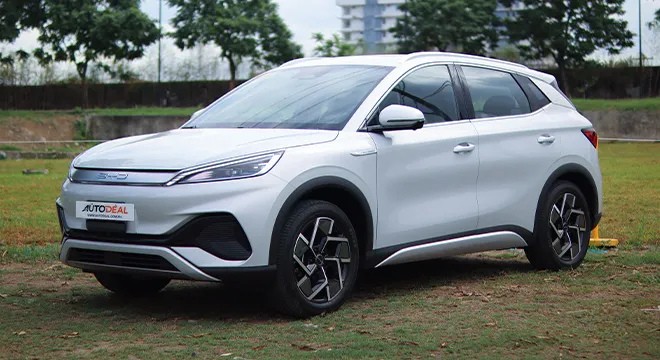
Honda Reviews
BYD Atto 3 2025
Overview The Atto 3 is BYD’s offering to the electric compact crossover segment that embodies a fusion of modern design, cutting-edge technology, and eco-friendly mobility. Its exterior exudes a sleek and aerodynamic profile, characterized by smooth curves and a streamlined silhouette. Sporting a slew of features along with its unique design, the Atto 3 is […]
BYD Atto 3 2025 #2
Overview The Atto 3 is BYD’s offering to the electric compact crossover segment that embodies a fusion of modern design, cutting-edge technology, and eco-friendly mobility. Its exterior exudes a sleek and aerodynamic profile, characterized by smooth curves and a streamlined silhouette. Sporting a slew of features along with its unique design, the Atto 3 is […]
BYD Atto 3 2025 #3
Overview The Atto 3 is BYD’s offering to the electric compact crossover segment that embodies a fusion of modern design, cutting-edge technology, and eco-friendly mobility. Its exterior exudes a sleek and aerodynamic profile, characterized by smooth curves and a streamlined silhouette. Sporting a slew of features along with its unique design, the Atto 3 is […]