

Hidden EV Savings: Insurance, Road Tax & Maintenance in Singapore 2025
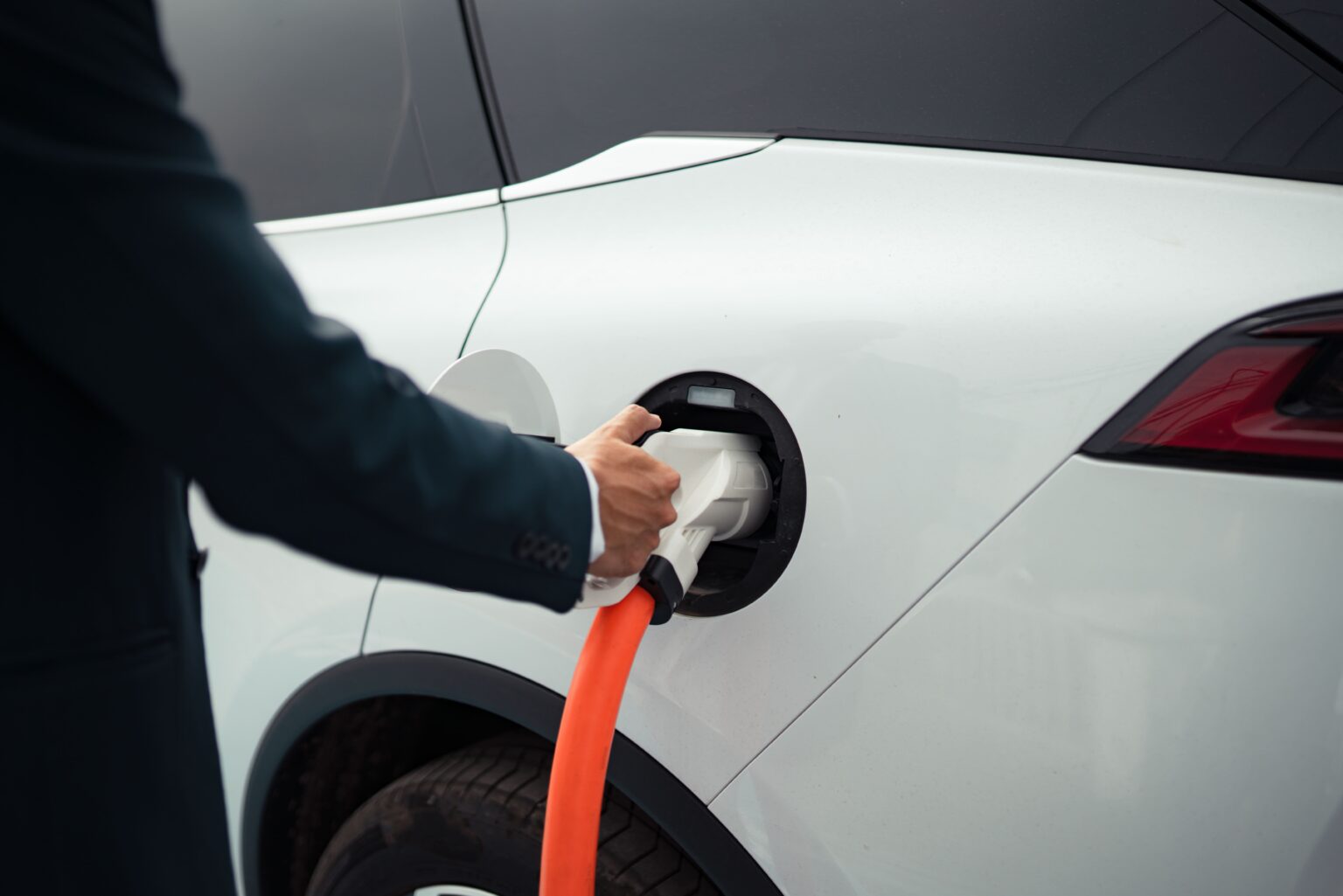
As Singapore accelerates towards its vision of a cleaner, more sustainable transport ecosystem, electric vehicles (EVs) are becoming increasingly attractive to discerning motorists. Whilst the upfront purchase price of EVs often draws attention, the hidden savings that come with electric vehicle ownership in Singapore are truly remarkable. Beyond the obvious environmental benefits, EV owners enjoy substantial cost reductions in insurance premiums, road tax obligations, and maintenance expenses that can amount to thousands of dollars annually.
Having personally reviewed numerous electric vehicles on Singapore’s roads and spoken extensively with EV owners across the island, I’ve witnessed firsthand how these hidden savings transform the total cost of ownership equation. The financial advantages extend far beyond the initial sticker price, creating compelling long-term value propositions that make EVs not just environmentally responsible choices, but economically savvy ones too.
Understanding the True Cost of EV Ownership in Singapore
When evaluating vehicle ownership costs in Singapore, most buyers focus primarily on the Certificate of Entitlement (COE) and purchase price. However, the ongoing operational expenses—insurance, road tax, maintenance, and fuel—often represent the largest portion of total ownership costs over a vehicle’s lifespan. This is where electric vehicles demonstrate their remarkable financial superiority.
Traditional internal combustion engine (ICE) vehicles require constant maintenance of complex mechanical systems, regular servicing schedules, and increasingly expensive fuel costs. EVs, by contrast, operate with fundamentally different technology that eliminates many of these ongoing expenses whilst simultaneously qualifying for various government incentives and reduced regulatory fees.
The cumulative effect of these savings becomes particularly pronounced in Singapore’s unique automotive landscape, where vehicle ownership costs are among the highest globally. Every reduction in ongoing expenses translates to significant long-term savings that can justify the initial investment in electric vehicle technology.
Lower Insurance Costs for Electric Vehicles
Why EV Insurance Premiums Are More Affordable
Insurance companies in Singapore have begun recognising the inherent safety advantages and lower risk profiles associated with electric vehicles. EVs typically feature advanced safety systems as standard equipment, including automatic emergency braking, lane departure warnings, and sophisticated stability control systems that significantly reduce accident likelihood.
The lower centre of gravity in most electric vehicles, achieved through floor-mounted battery packs, enhances stability and reduces rollover risks. Additionally, the absence of flammable liquids like petrol reduces fire risks, whilst the instant torque delivery of electric motors provides more predictable acceleration characteristics that many insurers view favourably.
Many EV models also come equipped with comprehensive security systems, including GPS tracking and remote monitoring capabilities, which appeal to insurance providers seeking to minimise theft risks. These technological advantages translate directly into reduced insurance premiums for EV owners.
Specific Insurance Savings Examples
Based on current market rates from major insurance providers in Singapore, EV owners typically enjoy 10-15% lower comprehensive insurance premiums compared to equivalent ICE vehicles. For a mid-range electric vehicle worth S$200,000, this translates to annual savings of S$200-400 on insurance costs alone.
Premium electric vehicles like the Tesla Model S or BMW iX often qualify for even greater discounts, with some insurers offering up to 20% reductions for vehicles equipped with advanced autonomous driving features. These savings compound annually, representing substantial long-term financial benefits that many potential EV buyers overlook during their initial research.
Several insurance companies have introduced specific EV-focused policies that provide additional benefits, including coverage for home charging equipment, battery protection, and guaranteed EV replacement vehicles during repairs. These comprehensive packages often cost less than standard ICE vehicle policies whilst providing superior coverage.
Road Tax Benefits for Electric Vehicles
Current Road Tax Structure and EV Advantages
Singapore’s road tax system, administered by the Land Transport Authority (LTA), traditionally bases fees on engine capacity for petrol vehicles and engine power for diesel vehicles. Electric vehicles benefit from a completely different calculation methodology that results in significantly lower annual road tax obligations.
The current road tax structure for EVs considers the vehicle’s power output rather than traditional engine displacement, typically resulting in substantial savings. Most electric vehicles fall into lower road tax brackets due to their efficient power delivery systems and the government’s policy of encouraging EV adoption through favourable taxation.
Electric vehicle owners also benefit from the Carbon Efficiency-based Vehicle Scheme (CEVS), which provides additional rebates for low-emission vehicles. This scheme recognises EVs as the cleanest vehicle category, offering maximum rebates that further reduce the effective road tax burden.
EV Road Tax Exemptions and Reductions
Many electric vehicles qualify for significant road tax reductions under Singapore’s current incentive framework. Fully electric vehicles often enjoy road tax rates that are 50-70% lower than comparable ICE vehicles, representing annual savings of hundreds to thousands of dollars depending on the vehicle category.
For example, a typical electric sedan might incur annual road tax of S$600-800, whilst a comparable petrol vehicle could face road tax obligations of S$1,200-1,800. These differences become more pronounced in higher-performance categories, where luxury EVs maintain relatively modest road tax obligations compared to their petrol or diesel equivalents.
The government has also indicated plans to extend and enhance EV incentives through 2025 and beyond, suggesting that current road tax advantages for electric vehicles will continue and potentially expand as Singapore pursues its sustainable transport objectives.
Reduced Maintenance Costs: The Biggest Hidden Saving
Fewer Moving Parts Mean Lower Maintenance
The fundamental technological differences between electric and internal combustion engines create dramatic disparities in maintenance requirements. Traditional petrol engines contain thousands of moving parts, including pistons, valves, timing belts, spark plugs, and complex transmission systems that require regular servicing and eventual replacement.
Electric vehicles, by contrast, operate with remarkably simple drivetrains consisting primarily of electric motors, battery packs, and single-speed transmissions. This mechanical simplicity eliminates the need for numerous maintenance procedures that ICE vehicle owners accept as routine expenses.
From my extensive experience reviewing both ICE and electric vehicles, the maintenance differences are immediately apparent. EV owners typically visit service centres far less frequently and incur significantly lower costs per visit when service is required.
No Oil Changes and Reduced Servicing Requirements
One of the most immediate and noticeable savings comes from the elimination of regular oil changes. Traditional vehicles require oil changes every 5,000-10,000 kilometres, with each service costing S$80-200 depending on the vehicle and oil type. Over a typical ownership period of 5-7 years, this represents savings of S$1,000-2,000 for EV owners.
Electric vehicles also eliminate the need for numerous other routine maintenance items including air filters, fuel filters, spark plugs, timing belt replacements, and transmission servicing. The absence of these requirements dramatically reduces both the frequency and cost of scheduled maintenance visits.
Most EVs require only basic inspections of brakes, tyres, and electrical systems during routine servicing appointments. Many manufacturers recommend service intervals of 15,000-20,000 kilometres for EVs, compared to 5,000-10,000 kilometres for traditional vehicles, further reducing maintenance frequency and associated costs.
Brake Maintenance Savings Through Regenerative Braking
Electric vehicles employ regenerative braking systems that capture energy during deceleration and return it to the battery. This technology significantly reduces wear on traditional friction brakes, as much of the stopping power comes from the electric motor’s regenerative effect rather than brake pad contact.
EV owners typically experience brake pad life that is 2-3 times longer than ICE vehicles, with some EVs requiring brake pad replacement only after 80,000-100,000 kilometres of driving. Given that brake service can cost S$300-600 per replacement, these extended intervals represent substantial savings over the vehicle’s lifetime.
The regenerative braking system also reduces brake disc wear, further extending component life and reducing replacement costs. Many EV owners report that their original brake discs remain in excellent condition even after several years of ownership.
Additional Hidden Savings Beyond the Big Three
Fuel Versus Electricity Costs
Whilst not technically a hidden cost, the dramatic difference between petrol prices and electricity rates in Singapore deserves consideration. Current petrol prices hover around S$3.00-3.50 per litre, whilst home electricity rates remain relatively stable at approximately S$0.25-0.30 per kWh.
For typical driving patterns in Singapore, EVs cost approximately S$0.08-0.12 per kilometre to operate, compared to S$0.18-0.25 per kilometre for equivalent petrol vehicles. Over annual driving distances of 15,000-20,000 kilometres, this represents savings of S$1,500-2,600 per year on fuel costs alone.
Many EV owners also benefit from off-peak electricity rates for home charging, further reducing operational costs. Some charging networks and shopping centres offer free or heavily subsidised charging, providing additional opportunities for cost reduction.
Parking Benefits and Incentives
Various shopping centres, car parks, and commercial buildings in Singapore offer preferential parking rates or complimentary parking for electric vehicles. These incentives, whilst modest individually, can accumulate to meaningful savings for regular users.
Some premium car parks provide free charging services with parking, effectively combining parking and “fuel” costs into a single, often reduced rate. EV owners who work in areas with such facilities can achieve substantial monthly savings on their commuting costs.
Government buildings and public facilities increasingly offer EV-only parking spaces with charging facilities, providing both convenience and cost advantages for electric vehicle owners conducting official business.
Government Incentives and Rebates
Beyond road tax reductions, the Singapore government offers various incentives that reduce the effective cost of EV ownership. The Early Adoption Incentive (EAI) provides substantial rebates for qualifying electric vehicles, whilst the CEVS scheme offers additional benefits for low-emission vehicles.
These incentives effectively reduce the purchase price of EVs whilst simultaneously lowering ongoing operational costs. The combination creates compelling financial advantages that extend throughout the ownership period.
Future government initiatives are likely to expand these benefits as Singapore pursues its sustainable transport goals, suggesting that current EV owners may benefit from additional incentives as they become available.
Real-World Savings Calculator: Putting It All Together
To illustrate the cumulative impact of these hidden savings, consider a typical EV owner in Singapore driving 18,000 kilometres annually:
Annual Insurance Savings: S$300 (15% reduction on S$2,000 premium)
Road Tax Savings: S$800 (compared to equivalent ICE vehicle)
Maintenance Savings: S$1,200 (reduced servicing and component replacement)
Fuel/Electricity Savings: S$2,000 (compared to petrol costs)
Total Annual Hidden Savings: S$4,300
Over a typical 7-year ownership period, these savings amount to approximately S$30,000—a substantial sum that significantly improves the total cost of ownership equation for electric vehicles.
These calculations exclude potential additional savings from government incentives, free charging opportunities, and preferential parking rates, suggesting that actual savings may exceed these conservative estimates.
Maximising Your EV Savings in Singapore
To optimise the financial benefits of EV ownership, consider installing home charging equipment to take advantage of residential electricity rates. Many utility companies offer special EV charging tariffs that further reduce operational costs.
Research insurance providers specifically for their EV policies, as coverage options and pricing can vary significantly between companies. Some insurers specialise in electric vehicle coverage and offer superior rates and benefits.
Take advantage of off-peak charging whenever possible, and investigate workplace charging options that might be available through your employer. Many companies now offer EV charging as an employee benefit.
Conclusion: The Hidden Value Proposition of Electric Vehicles
The hidden savings associated with electric vehicle ownership in Singapore extend far beyond the obvious environmental benefits. Lower insurance premiums, reduced road tax obligations, and dramatically decreased maintenance costs combine to create compelling financial advantages that transform the total cost of ownership equation.
As Singapore continues to develop its EV infrastructure and enhance government incentives, these hidden savings are likely to become even more pronounced. Early adopters of electric vehicle technology are already reaping substantial financial benefits that justify their investment decisions.
For Singaporean motorists considering their next vehicle purchase, the hidden savings of EVs represent a crucial factor that shouldn’t be overlooked. The combination of reduced ongoing costs and superior driving experience makes electric vehicles an increasingly attractive proposition for both environmental and financial reasons.
Ready to explore the latest electric vehicles available in Singapore? Browse our comprehensive EV reviews and comparisons to discover which electric vehicle offers the best value proposition for your specific needs and driving patterns.



Trade-In / Sell Your Car to Save More
Only the best trade-in value for your used car when you purchase a new car with us.

Fastest Way to Sell
Quick and easy process. Sell your car faster with us and get cash instantly.

Best Price Guaranteed
Get the best offer for your car, expect a more-than-fair valuation from us.

Transparent Service
100% no hidden fees – only transparent, fast and seamless service with us.
Electric Car Guide
Honda Reviews
BYD Atto 3 2025
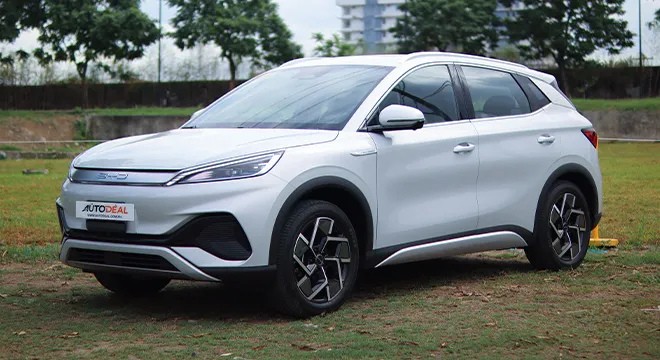
Overview The Atto 3 is BYD’s offering to the electric compact crossover segment that embodies a fusion of modern design, cutting-edge technology, and eco-friendly mobility. Its exterior exudes a sleek and aerodynamic profile, characterized by smooth curves and a streamlined silhouette. Sporting a slew of features along with its unique design, the Atto 3 is […]
BYD Atto 3 2025 #2
Overview The Atto 3 is BYD’s offering to the electric compact crossover segment that embodies a fusion of modern design, cutting-edge technology, and eco-friendly mobility. Its exterior exudes a sleek and aerodynamic profile, characterized by smooth curves and a streamlined silhouette. Sporting a slew of features along with its unique design, the Atto 3 is […]
BYD Atto 3 2025 #3
Overview The Atto 3 is BYD’s offering to the electric compact crossover segment that embodies a fusion of modern design, cutting-edge technology, and eco-friendly mobility. Its exterior exudes a sleek and aerodynamic profile, characterized by smooth curves and a streamlined silhouette. Sporting a slew of features along with its unique design, the Atto 3 is […]