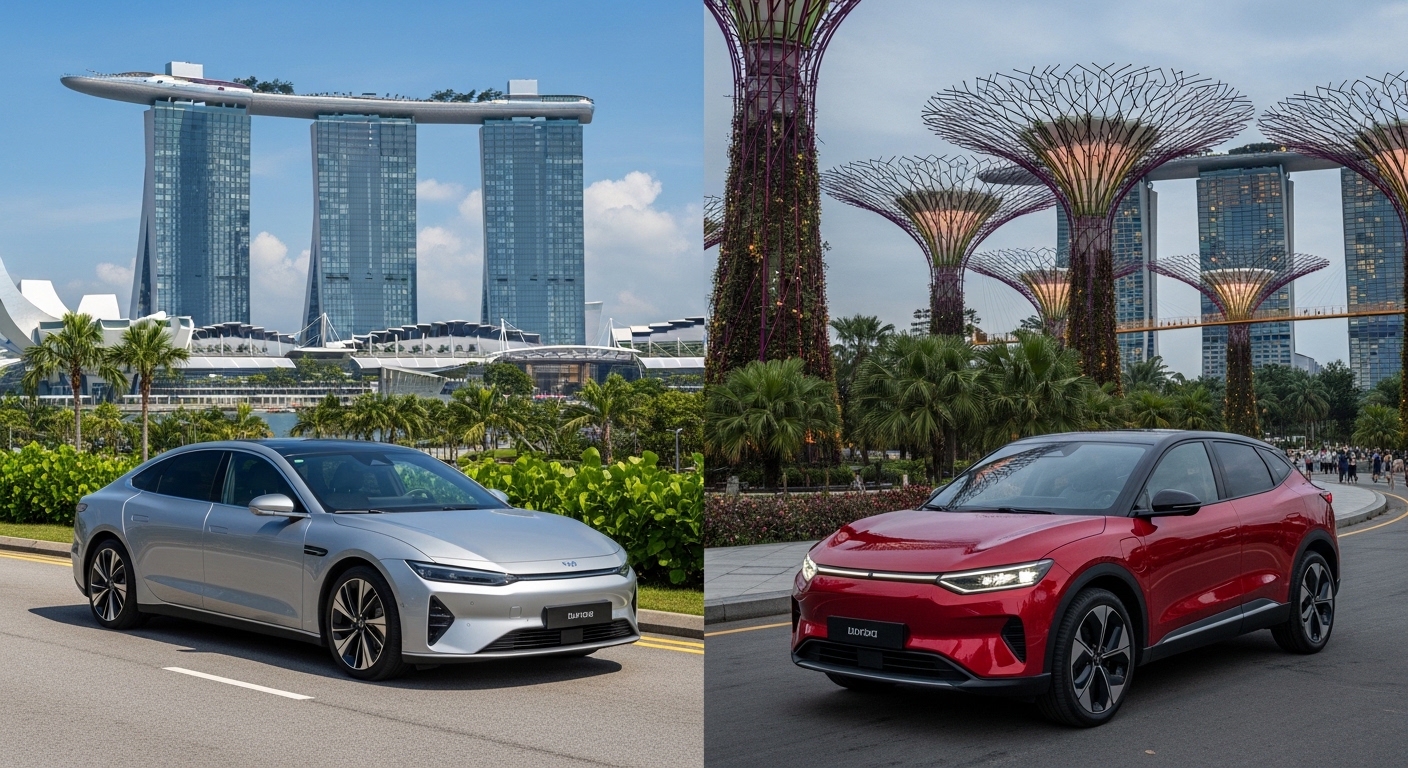

The electric vehicle revolution has arrived in Singapore, and many motorists are contemplating the switch from their internal combustion engine (ICE) vehicles to electric cars. However, the thought of potential financial losses during this transition often holds drivers back. The good news? With proper planning and timing, you can make the switch from petrol to electric without losing money—and potentially even save in the long run.
As Singapore accelerates towards its goal of phasing out ICE vehicles by 2040, early adopters are positioned to benefit from generous government incentives, improved charging infrastructure, and a growing selection of electric vehicles. This comprehensive guide will walk you through the strategic steps to maximise your ICE car’s resale value whilst minimising the cost of purchasing your first electric vehicle.
Why Now Is the Perfect Time to Switch in Singapore
Singapore’s electric vehicle landscape has transformed dramatically over the past few years. The government’s commitment to sustainable transport, combined with falling EV prices and expanding charging networks, creates an opportune moment for the transition.
The Vehicular Emissions Scheme (VES) currently offers substantial rebates for qualifying electric vehicles, with some models receiving up to S$45,000 in incentives. Additionally, the Early Adoption Incentive (EAI) provides further savings of up to S$30,000 for the first 10,000 EV buyers, though this scheme is set to conclude in December 2024.
Market conditions also favour sellers of ICE vehicles. Singapore’s Certificate of Entitlement (COE) system means well-maintained petrol cars still command strong resale values, particularly if they have several years remaining on their COE validity. This presents a narrow window where you can achieve optimal returns on your ICE vehicle whilst securing maximum savings on your electric replacement.
Understanding Singapore’s Electric Vehicle Incentives
Vehicular Emissions Scheme (VES) Benefits
The VES evaluates vehicles based on their carbon emissions and air pollutants, awarding rebates to cleaner vehicles whilst imposing surcharges on high-emission models. Most electric vehicles qualify for the maximum VES rebate, which can significantly offset their purchase price.
Current VES rebates for electric vehicles typically range from S$25,000 to S$45,000, depending on the specific model and its emissions rating. This substantial incentive effectively reduces the price gap between electric and petrol vehicles, making EVs increasingly competitive in the Singapore market.
Early Adoption Incentive and Additional Schemes
The Early Adoption Incentive provides additional savings for early EV adopters, though prospective buyers should act quickly as this scheme has limited slots remaining. Beyond these primary incentives, electric vehicle owners also benefit from lower road tax rates and reduced registration fees.
The Land Transport Authority (LTA) regularly updates these schemes and provides comprehensive information about current incentives, making it essential to check the latest offerings before making your purchase decision.
Maximising Your ICE Car’s Resale Value
Timing Your Sale Strategically
The timing of your ICE car sale significantly impacts its resale value. Generally, selling before major service intervals or MOT renewals helps maintain higher valuations. Additionally, market demand for second-hand petrol cars remains robust, particularly for popular models with good fuel efficiency and reliability records.
Consider the remaining COE validity when pricing your vehicle. Cars with 5-7 years of COE remaining typically achieve the best resale values, as they offer new buyers substantial usage time without immediate COE renewal concerns.
Preparing Your Vehicle for Sale
Proper preparation can add thousands of dollars to your car’s resale value. Ensure your vehicle undergoes comprehensive servicing, addressing any mechanical issues and replacing worn components. A fresh MOT certificate and complete service history demonstrate proper maintenance to potential buyers.
Professional detailing, both interior and exterior, creates an excellent first impression. Pay particular attention to common problem areas such as upholstery stains, scratched bumpers, and cloudy headlights. These relatively inexpensive improvements often yield disproportionate returns in resale value.
Choosing the Right Selling Platform
Singapore offers several platforms for selling your ICE vehicle, each with distinct advantages. Authorised dealers often provide trade-in options that, whilst potentially offering lower prices than private sales, eliminate the hassle of marketing and negotiating with individual buyers.
Private sales through platforms like sgCarMart or Carousell typically achieve higher prices but require more time and effort. Consider your priorities: maximum financial return versus convenience and speed of transaction.
Best Electric Vehicle Models for Singapore Drivers
Premium Electric Sedans
The Tesla Model 3 remains a popular choice among Singapore EV adopters, offering impressive range, advanced technology, and strong resale values. With local charging infrastructure expanding rapidly, the Model 3’s efficiency and performance make it ideal for both daily commuting and longer journeys around Singapore and Malaysia.
The BMW i4 provides a more traditional luxury experience whilst delivering electric performance. Its refined interior, smooth ride quality, and comprehensive warranty coverage appeal to drivers transitioning from premium German petrol cars.
Practical Electric SUVs
For families requiring additional space, the Hyundai Ioniq 5 offers exceptional value with its spacious interior, ultra-fast charging capabilities, and competitive pricing after incentives. Its distinctive design and practical features make it an excellent choice for Singapore’s urban environment.
The Tesla Model Y combines the brand’s technology leadership with SUV practicality. Its higher seating position and cargo capacity suit families whilst maintaining impressive efficiency and performance characteristics.
Affordable Electric Options
The BYD Atto 3 represents excellent value in the compact SUV segment, offering generous equipment levels and solid build quality at an attractive price point after government incentives. Chinese EV manufacturers have gained significant traction in Singapore, providing cost-effective alternatives to European and American brands.
For budget-conscious buyers, the MG ZS EV delivers practical electric motoring with reasonable range and features. Its competitive pricing, particularly after incentives, makes electric vehicle ownership accessible to a broader range of Singapore drivers.
Understanding Charging Costs and Infrastructure
Home Charging Economics
Installing a home charging point represents the most convenient and cost-effective method for daily EV charging. Singapore’s residential electricity rates make home charging significantly cheaper than petrol, with typical costs ranging from S$0.15 to S$0.25 per kWh depending on your consumption tier.
A typical electric vehicle consumes approximately 15-20 kWh per 100 kilometres, resulting in charging costs of roughly S$2.25 to S$5.00 per 100 kilometres. Compare this to petrol costs of S$15-20 per 100 kilometres for similar-sized ICE vehicles, and the savings become substantial over time.
Public Charging Network Expansion
Singapore’s public charging infrastructure has expanded dramatically, with over 3,000 charging points currently available across the island. The charging network includes various types: slow AC chargers for extended parking periods, fast DC chargers for quick top-ups, and ultra-rapid chargers capable of adding significant range in 15-30 minutes.
Public charging costs vary by operator and charging speed, typically ranging from S$0.30 to S$0.60 per kWh. Whilst more expensive than home charging, these rates remain competitive compared to petrol costs, particularly for occasional use.
Workplace and Shopping Centre Charging
Many office buildings and shopping centres now offer EV charging facilities, often at competitive rates or sometimes free as a customer incentive. This expanding network reduces range anxiety and provides additional charging opportunities during daily activities.
Financial Planning for Your EV Transition
Calculating Total Cost of Ownership
When comparing ICE and electric vehicles, consider the total cost of ownership rather than just purchase prices. Electric vehicles typically have lower running costs due to cheaper ‘fuel’ (electricity), reduced maintenance requirements, and lower road tax obligations.
Maintenance costs for electric vehicles are generally 30-50% lower than equivalent ICE vehicles due to fewer moving parts, no oil changes, and reduced brake wear thanks to regenerative braking systems. Over a typical ownership period, these savings can amount to several thousand dollars.
Financing Options and Considerations
Singapore’s banks and financial institutions increasingly offer competitive financing rates for electric vehicles, recognising their growing popularity and strong resale values. Some institutions provide preferential interest rates for EVs, further reducing the total cost of ownership.
Consider the timing of your financing application in relation to government incentive schemes. Ensure you understand how incentives are applied—whether as direct rebates reducing the loan amount or as post-purchase reimbursements affecting your cash flow.
Practical Steps for Making the Switch
Research and Test Drive
Before committing to any electric vehicle, conduct thorough research and arrange comprehensive test drives. Electric vehicles offer different driving characteristics compared to petrol cars, including instant torque delivery, regenerative braking, and near-silent operation.
Visit multiple dealerships to compare models, understand warranty coverage, and assess after-sales service quality. Singapore’s compact size means most brands maintain service centres locally, but verify parts availability and service appointment scheduling.
Charging Infrastructure Assessment
Evaluate your personal charging requirements based on daily driving patterns and home parking arrangements. If you live in a landed property, home charging installation is straightforward. HDB and condominium residents should verify charging point availability or installation possibilities within their developments.
Plan your typical journeys and identify public charging locations along common routes. Modern EVs offer sufficient range for most Singapore driving requirements, but understanding charging options provides peace of mind during the transition period.
Documentation and Paperwork
Ensure all documentation for your ICE vehicle sale is properly organised, including registration documents, service records, insurance papers, and any outstanding loan information. For your EV purchase, verify that all government incentive applications are submitted correctly and within required timeframes.
Consider engaging a professional to handle the transaction paperwork, particularly if you’re selling privately whilst simultaneously purchasing from a dealer. This coordination ensures smooth ownership transfer and avoids potential complications.
Conclusion: Making Your Electric Transition Profitable
The transition from petrol to electric vehicles in Singapore represents both an environmental commitment and a smart financial decision when executed properly. By timing your ICE car sale strategically, maximising its resale value through proper preparation, and taking full advantage of government incentives, you can make the switch without financial loss.
Singapore’s evolving automotive landscape favours early EV adopters, with generous incentives, expanding charging infrastructure, and increasing model availability creating ideal conditions for the transition. The key lies in careful planning, thorough research, and understanding the total cost of ownership rather than focusing solely on purchase prices.
As Singapore moves towards its 2040 goal of eliminating ICE vehicles, those who make the switch now position themselves advantageously for the future. With proper execution, your transition to electric driving can enhance both your environmental credentials and your financial position.
Ready to begin your electric journey? Explore our comprehensive EV reviews and buying guides to find the perfect electric vehicle for your Singapore driving needs, or contact our expert team for personalised advice on making your transition as seamless and profitable as possible.